


In his prison cell before his trial at Nuremberg, the infamous Nazi propagandist Hermann Göring gave Gustave Gilbert one of the most illuminating insights we’ve ever had into how elite planners manipulate public opinion to create war.
Göring: Why, of course, the people don’t want war. Why would some poor slob on a farm want to risk his life in a war when the best that he can get out of it is to come back to his farm in one piece? Naturally, the common people don’t want war; neither in Russia, nor in England, nor in America, nor for that matter in Germany. That is understood. But, after all, it is the leaders of the country who determine the policy and it is always a simple matter to drag the people along, whether it is a democracy, or a fascist dictatorship, or a parliament, or a communist dictatorship.
Gilbert: There is one difference. In a democracy the people have some say in the matter through their elected representatives, and in the United States only Congress can declare wars.
Göring: Oh, that is all well and good, but, voice or no voice, the people can always be brought to the bidding of the leaders. That is easy. All you have to do is tell them they are being attacked, and denounce the pacifists for lack of patriotism and exposing the country to danger. It works the same way in any country.
No normal person wants war.
That is why war planners developed The Pattern — a repeatable multi-stage sequence designed to engineer consent for operations the public would otherwise reject. In this series I’m going to show you the full Pattern in action. Part One begins with the birth of modern U.S. interventionism and the very first time the template was tested: the 1954 Guatemalan coup. By the end of this piece you’ll already recognise the first two stages. In the parts that follow we’ll see the final stages of the pattern, (the jackals) and see how the same playbook has been updated for 2026.
We don’t live in feudal times where Kings have access to a warrior class like the Kshatriya in ancient India, the Spartans in ancient Greece, or the Samurai in ancient Japan. If the war planners decide war is needed, they must bring the public with them. This makes you a component of war. Your beliefs, your ideas and even your thoughts about it matter deeply to them. They need just enough support, and so detailed plans are drawn up to maneuver you into position.
There is a pattern to all of this, and once you recognise it, you can’t unsee it. War planners bank on you not recognising their methods, so my aim is to reveal them so they have a harder time pushing their wars onto the public.
The birth of constant war
The way Iran is being treated in 2026 has its roots in how America came out of WW2 eighty years ago in 1945. At that time, American planners looked at their situation and literally made a plan to dominate the entire world: not a conspiracy, a well documented part of America’s modern history. It was called the “Grand Area” strategy, and was the key vision of America’s post war plan.
Fearing the Nazi regime might claim most of Europe, planners came to a stark conclusion: “The United States should use its military power to protect the maximum possible area of the non-German world”. According to the planners, to maintain peace and America’s position within it, the United States would need to economically and militarily dominate basically everywhere other than continental Europe and the Soviet Empire. The planners believed this was key to America’s survival.
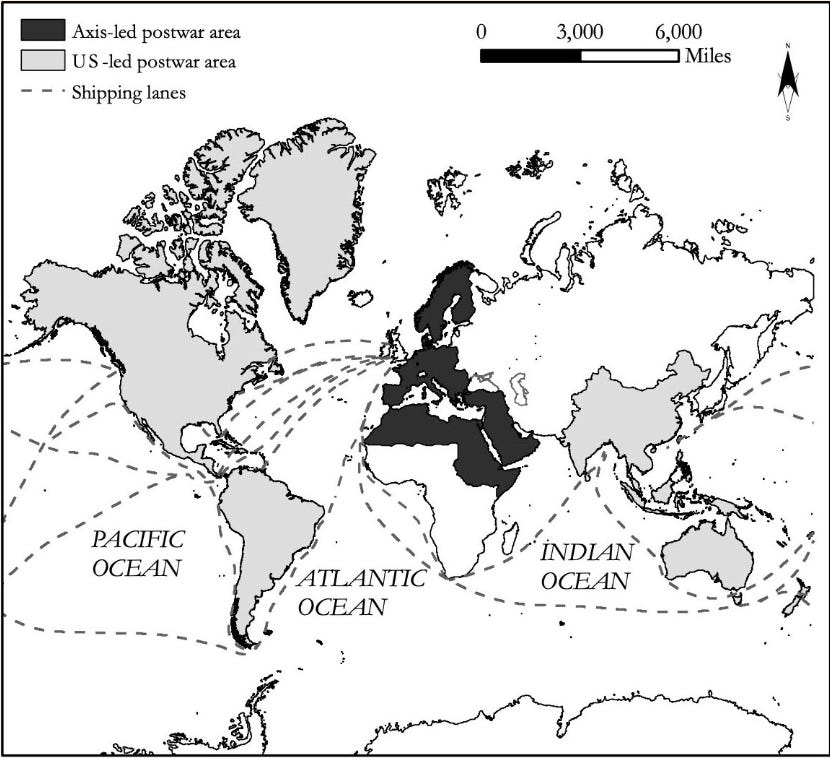
‘The Grand Area’ plans were afoot before the war ended, and they were based on the assumption that Europe and North Africa would fall to the Nazi regime, but when Britain didn’t capitulate to the Nazi onslaught, and the prospect of a Nazi Europe dissolved, ‘The Grand Area’ plan remained.
Why?
Well there was still one major player left on the table; the Soviets. America would use its new economic and military power to ‘protect the maximum possible area’ and box the Soviet influence inside central Asia. With the Nazi regime gone, and the Soviet machine locked behind the Iron Curtain, the final fear was that communism might ‘blow over’ the border like a dandelion seed and ‘infect’ something inside The Grand Area.
This was the start of the pathological fear which grew inside America, a fear of anything that sounded or looked even remotely communist. Perhaps the experimentation with cannabis and LSD in the 60s didn’t help matters, but soon enough, a deep paranoia emerged that communist ideas were taking root. Any suggestion of communism, anywhere at all, would be met with a new strategy of American sponsored violence, and the intelligence agencies were at the heart of it all.
The era of constant war had begun, and as it began, ‘The Pattern’ of war emerged with it.
The 1954 Guatemalan Coup D’Etat
You will hardly find a clearer example of ‘The Pattern’ than the CIA orchestrated coup which took place inside Guatemala in 1954. Jacobo Árbenz, the democratically elected leader of Guatemala, had the temerity to distribute Guatemala’s own uncultivated land to the poor so they could grow a life for themselves. Árbenz compensated the land owners with 25 year bonds at 3%, but this didn’t alleviate American fears. The reforms triggered America’s communist alarm and landed Árbenz on the radar of the State Department.
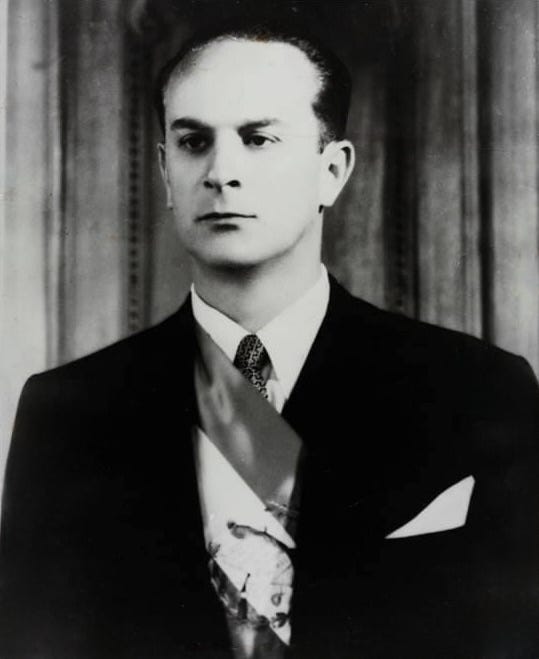
An internal memo by Charles Burrows, the State Department’s Inter-American Bureau Officer, beautifully revealed the mindset at that time. Because Guatemala’s land reforms were popular and helping workers and peasants, it might inspire neighbouring countries to do the same:
“Guatemala has become an increasing threat to the stability of Honduras and El Salvador. Its agrarian reform is a powerful propaganda weapon; its broad social program, of aiding the workers and peasants in a victorious struggle against the upper classes and large foreign enterprises, has a strong appeal to the populations of Central American neighbors, where similar conditions prevail.
The United Fruit Company had investments in Guatemala, so with their business interests in crosshairs, the CIA decided Árbenz had to go. So how would planners overthrow a government if the public wouldn’t support it? They’d try to do it without anyone noticing. Declassified documents have dragged this fiasco from the realm of conspiracy theory and into sunlight of documented reality. In their own words, the CIA conspired in “the development of a covert action program designed to topple the Árbenz government”. The two operations were called PBSUCCESS and PBFORTUNE.
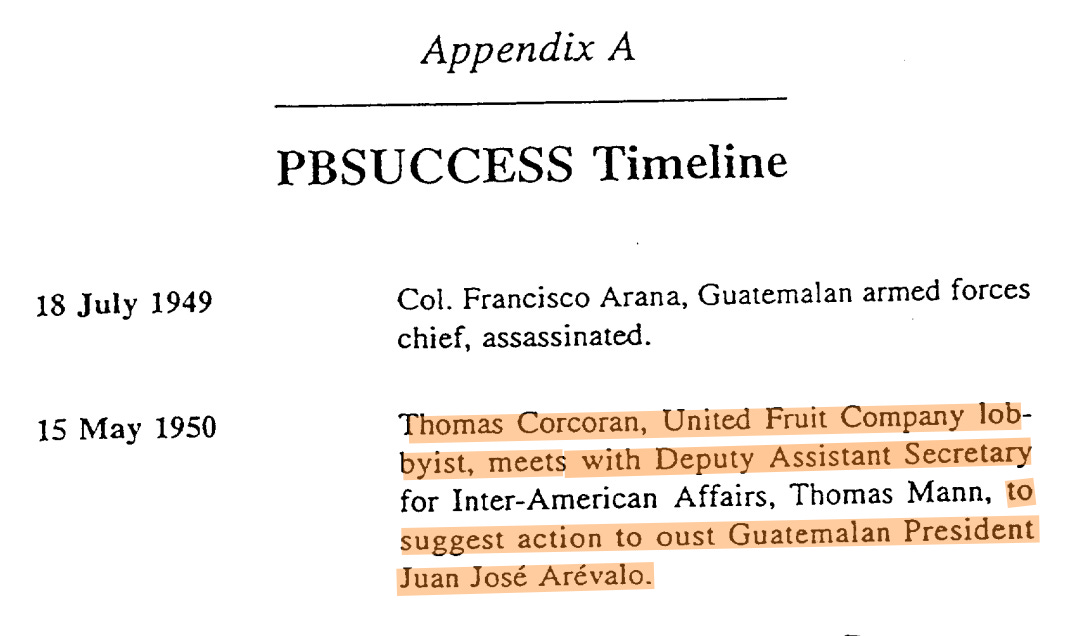
If you can believe it, the operation kicked into gear when a United Fruit Company lobbyist walked into the CIA office and ‘suggested’ that the Guatemalan President be ousted. This was before Árbenz had even been elected! This kick-started a five year collaboration to install a government more favourable to their corporate interests. It’s really worth remembering the real seed of this coup, because as we move through the story, you’ll be washed along with the subterfuge, lies and distortions that we discover. The seed of the war is constant, and is an important datapoint to keep in mind: it was corporate interests partnering with military enforcers.
The relevance of this period of history is how the Guatemalan coup set the template for the psyops and lies we are subjected to today. When the CIA started planning the coup, the agency had only existed for three years. Getting rid of Árbenz would be one of their first major foreign projects, they had to get it right, and its ultimate success set the tone for many more interventions to come. Guatemala was the birth of The Pattern.
Part One: Isolate, Economise, Destabilize.
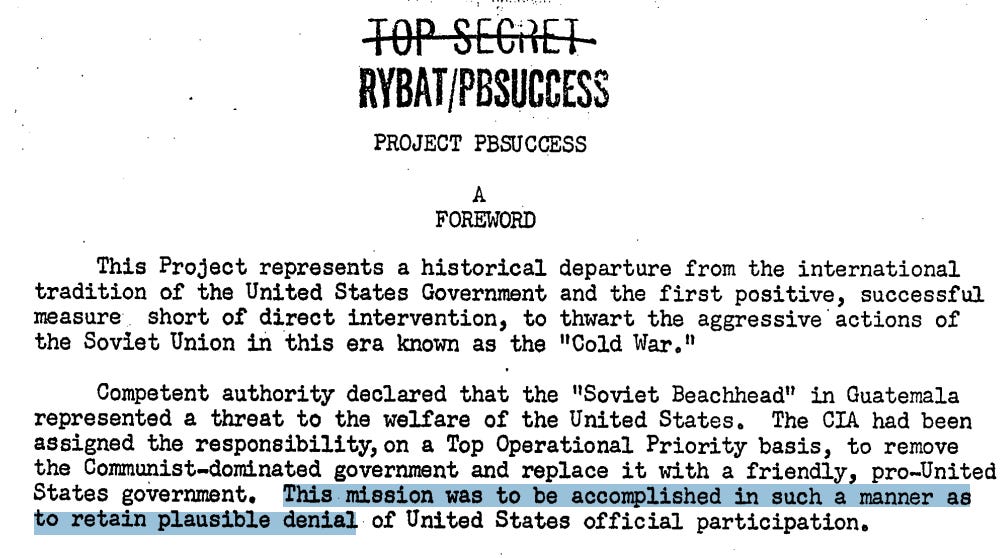
Because people don’t want war, the troops can’t just roll in. You must try to achieve your objectives in a way people won’t notice. Absolutely critical to all but the very last stages of wars is plausible deniability. To be crystal clear, this is the capacity for the ‘normal’ bits of the American government to deny any and all involvement any military action, coups, murder or chaos. Either because the Senators and Congressmen literally don’t know about the operation, or because there’s a plausible cover story which everyone (including the CIA itself) believes. Propaganda becomes internalised, and even the CIA themselves start to believe their own stories.
Don’t take my word for it, the CIA themselves committed these ideas to paper.
The first stage of The Pattern is to use America’s economic power to choke out the target before any shots are fired. We still see the choke out today; when you hear of sanctions against some country or regime you know very little about, that nation is probably on a pathway to regime change. Normally, planners inside that target nation are aware they’re on a pathway to regime change, so consider their actions in that context. Economic warfare is always the first round.
In Guatemala, according to the State Department’s own words, “it is our policy to discourage the Export-Import Bank and other official agencies from making developmental loans to Guatemala.” In their own words, the CIA created “operations for cutting off military aid to Guatemala, increasing aid to its neighbors, [and] exerting diplomatic and economic pressure against Árbenz.” Do those statements, now more than 70 years old, remind you of our current times?
With the Guatemala’s neighbours now well armed, and no access to banking or financial services, the next stage of The Pattern is to target the economy directly. Noting how vital coffee exports were to the Guatemalan economy, the CIA informed planners that “A study is under way to determine what phases of the coffee industry may be attacked which will damage the Árbenz government and its supporters” This remarkable document is still hosted on the State Department’s own website, and from it we learn how the CIA collaborated with its “partners” to wage economic warfare on vital Guatemalan exports.

By ‘partners’, we’re absolutely sure one was the United Fruit Company, along with other large oil, utility, food and media corporations. The CIA also planned for “American businessmen in New York City...to put covert economic pressure on Guatemala by creating shortages of vital imports and cutting export earnings.” As you can see, the CIA was a network of assets inside corporations, governments, business, academia and media. These methods of war - private partners creating economic pressure on their targets - are the same methods we are subjected to today.
In Guatemala, ultimately, the CIA became frustrated by their economic efforts. Boycotting Guatemalan coffee caused knock on effects and problems for their other partners, and the other economic pressures they’d applied would take longer to materialise. Once you’ve run out of road, it’s time to turn up the heat.
Part two: Fabricate evidence and Amplify your narrative
It’s one thing to get your ‘partners’ in business and media to collaborate with you, but how do you drag along your allies and other regional players? You’d need something quite serious to convince them to join in your covert operation. Remarkably, the CIA were quite candid about this: “Real, or when necessary fabricated evidence regarding aggression and subversion, will be used at an OAS conference to obtain approval of the American States for multilateral economic action against Guatemala.”
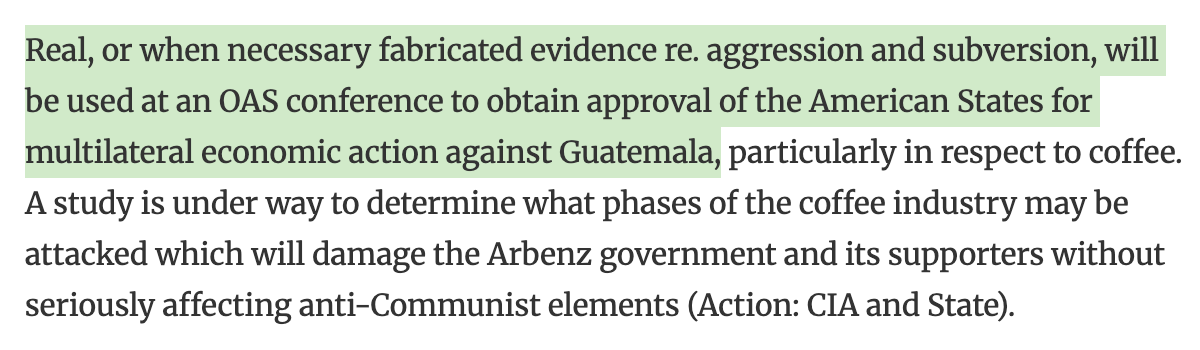
Read the statement again. “When necessary fabricated evidence regarding aggression and subversion will be used.” It proves that a shady tentacle of the US Government will fabricate evidence to obtain support for their wars. To be clear, the OAS is the Organization of American States, often described as the Western Hemisphere’s version of the United Nations. The CIA were prepared to fabricate things to convince other nations to join their “pile on” of Guatemala.
“when necessary, fabricated evidence re: aggression and subversion will be used” The CIA in 1953
It’s worth remembering that this was 1953. Far from disqualifying this to an irrelevancy, it elevates the behaviour into the very soul of the CIA. Fabricating evidence to start wars is in their DNA. They’ve been doing it since day one, so keep that front of mind.

So what kinds of things did they fabricate?
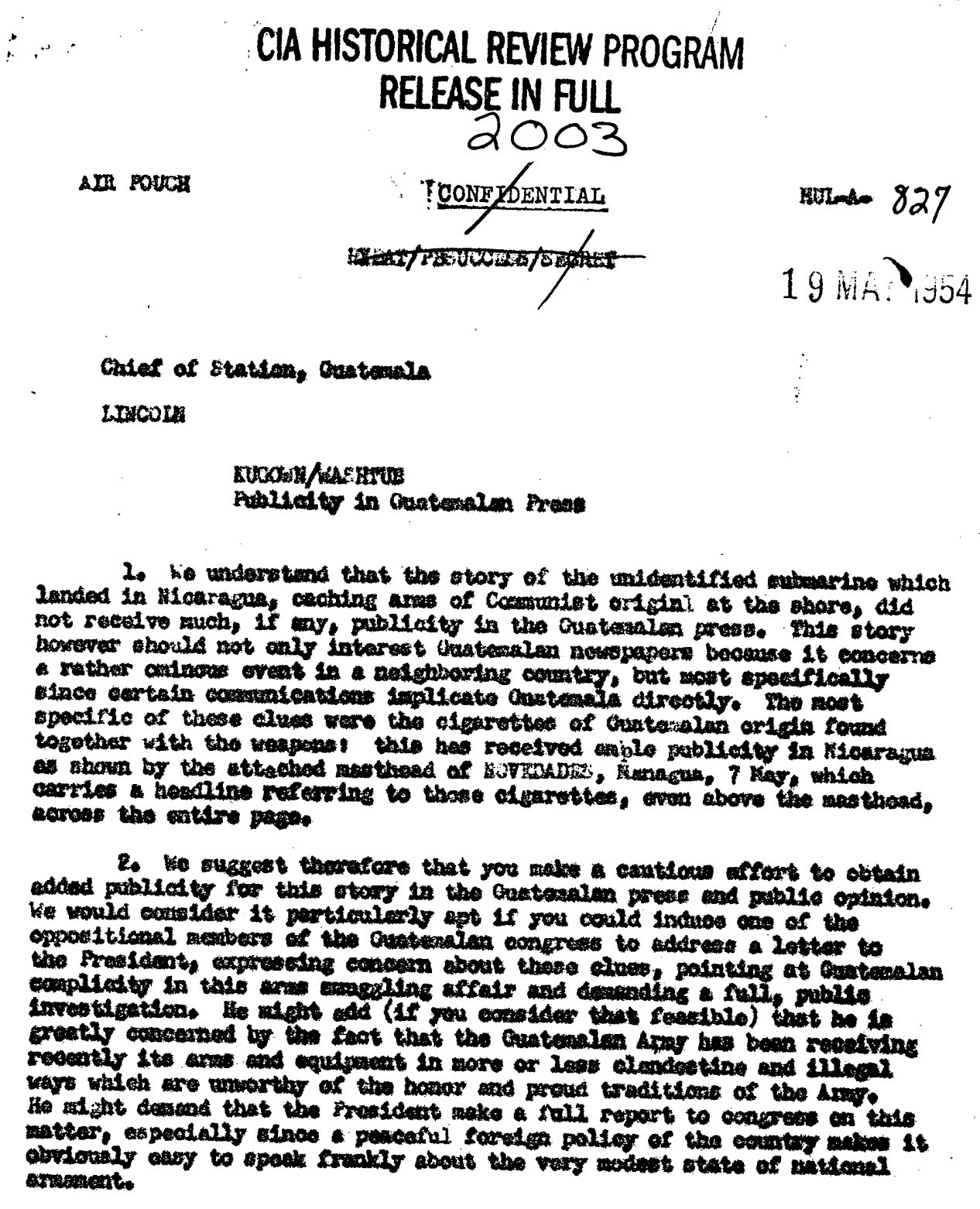
Well, they were looking to drum up support for their planned military coup against Árbenz, so in an “elaborate fabrication”, they “planted a cache of Soviet-made arms on the Nicaraguan coast to be ‘discovered’ weeks later by fishermen.” Their plan was to pin this whole made up saga on the Guatemalan government. It was a “Soviet Submarine” they had planted, which (according to the fabricated story) had landed there with the full collaboration with the Guatemalans. Frustrated at the lack of response to their fake news, the CIA urged their local spies to “make a cautious effort to obtain added publicity for this story in the Guatemalan press and public opinion.” It’s worth reading the original document which is posted below, because it’s fascinating to see it in black and white.
The target for these psyops were the Guatemalan people and politicians, and these bizarre interventions were having some success. But what to do about convincing their electorate at home? To convince the American public of their plans, the CIA would have to work with real experts in propaganda. Together with the United Fruit Company, they turned to Edward Bernays, a man with a proven talent for propaganda. In fact, he’d literally written the book on the matter in 1928 where he said “The conscious and intelligent manipulation of the organized habits and opinions of the masses is an important element in democratic society. Those who manipulate this unseen mechanism of society constitute an invisible government which is the true ruling power of our country.”
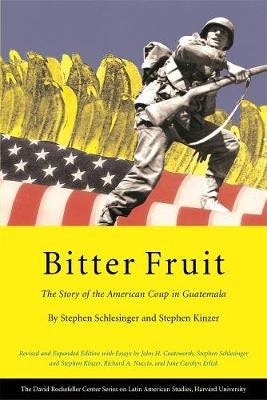
Over the years, Bernays had developed a seriously good propaganda service which he was now touting to the highest bidder, including the CIA and United Fruit. So Bernays set to work in a collaboration that is well documented in the book “Bitter Fruit”.
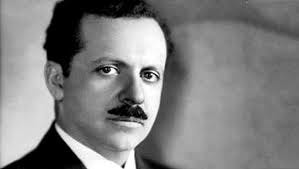
The project was started when United Fruit came to Bernays with concerns about their old fashioned ‘colonial’ image, which had its roots in the actual ways they treated their workers. Undeterred by this, Bernays had a solution: paint United Fruit as a modern company surviving on the frontlines against a wave of central American communism. By casting Guatemala as a Soviet stronghold, United Fruit could become the hero of the story. With connections to all the major publications, it was trivial for Bernays to arrange for a journalist, Fitzhugh Turner, to travel to Guatemala with the New York Herald Tribune. The series Turner produced, “Communism in the Caribbean” was pivotal in shaping American perceptions about the tiny central American state.
Not content with one success, Bernays continued to work his magic in an incredible PR Blitz which was documented by the CIA themselves.
“NBC News aired a television documentary,’Red Rule in Guatemala,’ revealing the threat the Árbenz regime posed to the Panama Canal. Articles in Reader's Digest, the Chicago Tribune, and the Saturday Evening Post drew a frightening picture of the danger in America's backyard. Less conservative papers like the New York Times depicted the growing menace in only slightly less alarming terms.”
Just some of Bernays’ successes
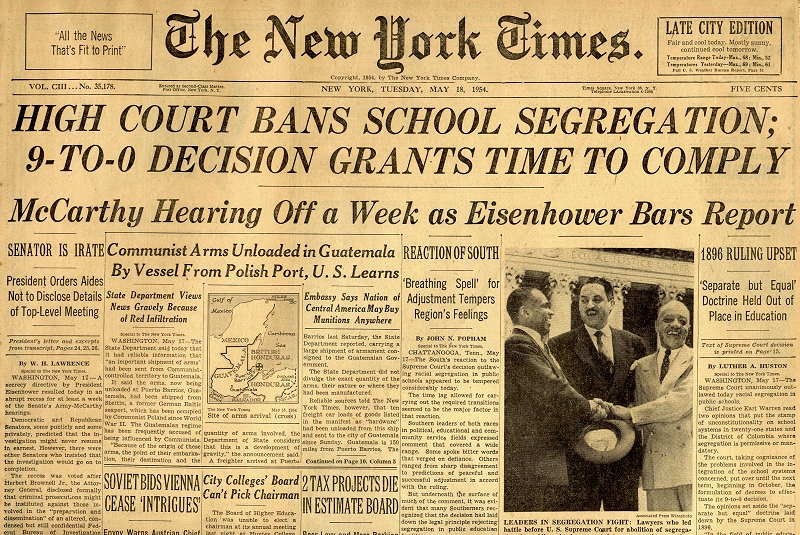

But here’s the thing...Árbenz wasn’t a communist. Remember I said you’d get washed up in the lies and subterfuge?
In his inaugural address to the nation, Árbenz promised to convert Guatemala from "a backward country with a predominantly feudal economy into a modern capitalist state." The CIA were fully aware of this. They absolutely knew that Árbenz was not a communist. They knew that Guatemalan opposition to his land reforms was “greatly exaggerated”, even amongst the wealthy people there. In the CIA’s own words, “Rather than setting up a Communist state, Árbenz desires to establish a “modern democracy” which would improve the lot of its people through paternalistic social reforms.” The reality was, as we’ve already seen, the CIA’s beef with Guatemala was about a policy Árbenz implemented which upset their sponsors at The United Fruit Company.
Despite this... by 1954, Bernays, the CIA, and United Fruit really had convinced the American public that Árbenz was a Soviet puppet. This is a critical hallmark of The Pattern: the massive gap between what happened and what the public believe happened. Once a narrative takes root, contradictory evidence often fails to dislodge it. Social psychologists call this belief perseverance, the well-documented tendency for people to cling to their initial understanding even after the original “facts” are proven false.
The American public had absorbed the “Red Jacobo Árbenz” story so completely that when the CIA plot against Árbenz was actually revealed, they simply didn’t believe it. In a strange twist of fate, a CIA asset hospitalised with a stomach ulcer had his secret documents taken by a double agent working for Árbenz, giving him “intimate knowledge of rebel training bases, intelligence operations and a fairly accurate concept of the modus operandi of PBSUCCESS.”
The Guatemalan president went public with the evidence; the propaganda, the rebel forces being CIA assets, and the overall CIA plot to overthrow him. Árbenz held press conferences, showed the documents, the whole works, yet, the American press and public simply didn’t believe it. Instead, the press “unanimously accepted the State Department’s characterization of the charges as a propaganda ploy”
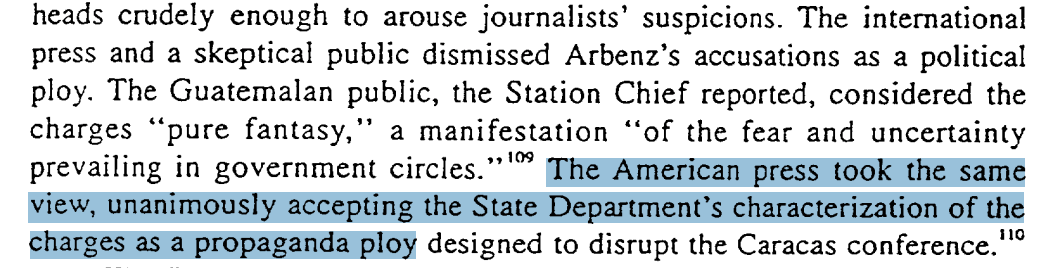
The American public had come to believe an inversion of the truth. When an operational hiccup catapulted the actual truth into their hands, they didn’t believe it. They couldn’t believe it, an effect the war planners have come to utilise with a deadly effectiveness. That is why the first story matters so much, because it stubbornly persists.
Are there things today that parts of Europe and America have been fully convinced of, which, despite evidence to the contrary, they simply cannot allow themselves to let go of?
In Part Two we will watch what happens when the economic chokehold and the propaganda blitz still aren’t enough. That is when the jackals are sent in — the covert military action, the proxies, the coups. Once you see the full Pattern, you can’t unsee it… and you’ll start noticing it everywhere, including in 2026.
Hey all, here's my latest deep dive on the CIA's Pattern of War. There's much more to come, so if you haven't already, please subscribe! Any shares and recommendations are most welcome.
If you haven't already, please follow me on twitter. Since I got 'marked' on that platform, I'm sure my reach is not what it was. Follows and retweets would be great.